
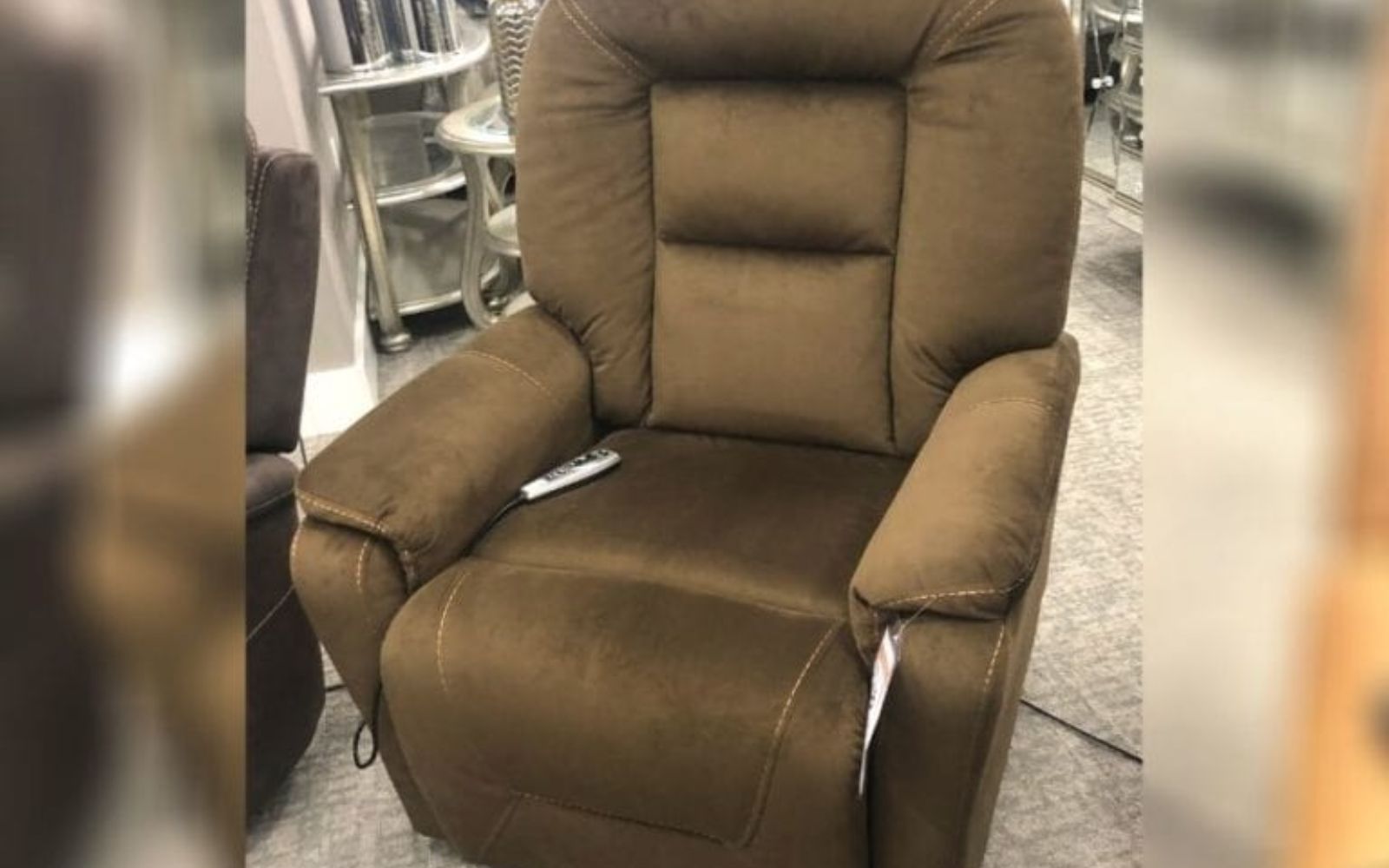
Few things can be more annoying than finally getting into your favorite power recliner at the end of the day, pushing the button and hearing nothing in return! Known for their convenience, comfort and reclining ease, power recliners have become the furniture of choice for many modern living rooms, but like all motorized furniture they are not trouble free.
The bright side to all this is that most power recliner issues can be solved by a relatively handful of causes and can even be diagnosed without hiring a professional technician. The subsequent guide walks you through the most popular reasons why power recliners fail, and what you are able to do about them.
1. The Recliner Is Not Properly Plugged In or Powered
A loose or poor power connection is one of the most common causes of any power recliner going unresponsive, which may seem obvious, but it is an easy cause to overlook. Most power recliners have a transformer/power supply box in between the wall socket and motor assembly of the chair. The regular use, pets, or cleaning routine can cause this to loosen these over time over the years.
Always make sure that the power cord is securely connected to the power outlet and that the cords between the transformer and the motor harness of the recliner are checked. Check to see if more than one device attaches to the outlet to test whether the outlet is working. If you are plugged into a power strip or surge protector, be sure that it is not tripped or turned off. This quick check cures a lot of broken recliners’ issues.
2. A Tripped Circuit Breaker or Faulty Outlet
Beware that if the outlet fails, the recliner will not move regardless of how many times you press the button on the remote control. Overloaded circuits, particularly in living rooms of the house, as numerous items and appliances are connected to similar electrical lines, can lead to circuit breakers tripping.
Look on the electrical panel to see if any breakers are tripped and reset as needed. When the breaker resets again right away after it has tripped, it is likely that it has a larger problem, and a licensed electrician should be contacted. Also use a voltage checker or plug a lamp or small electric appliance into the outlet to ensure power is delivered to the outlet.
3. Damaged or Worn Remote Control
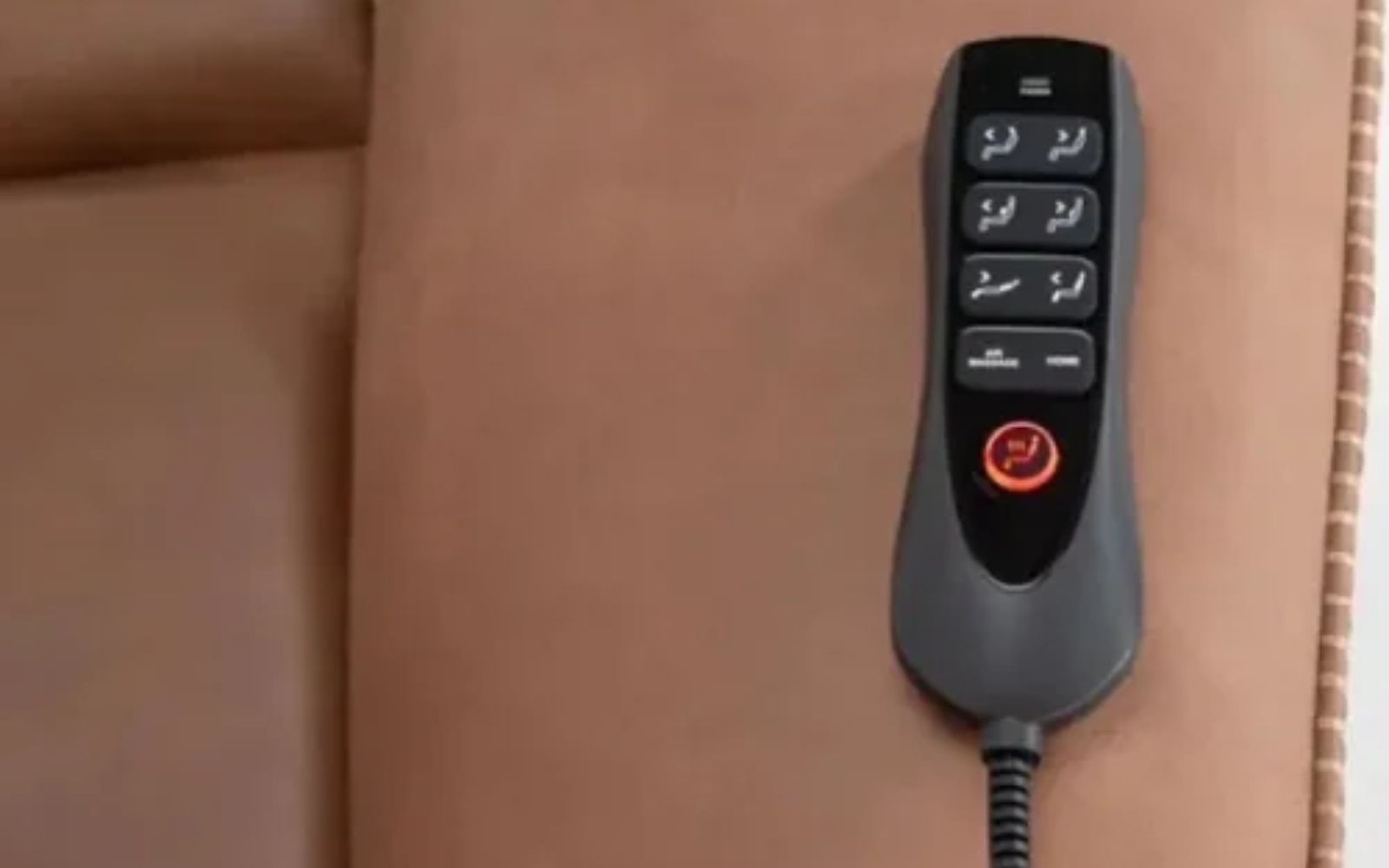
The hand control, also known as the remote, links you to a recliner’s motor system. These little devices take a lot of abuse, between cushions, on or off their back many many times. The wires within the remote can get damaged or break, and the buttons may begin to deteriorate due to frequent use.
Look at the remote cord and check for any damage, cuts or kinks in the cord down the length. Ensure that the connector plug is tightly fitted in the port of the motor unit and not bent or corroded. If you think the remote is broken, you can use a different compatible remote, usually from the recliner company or a third party supplier, to determine whether the remote is the cause of the issue.
4. Motor Failure or Burnout
The motor is the action force of any power recliner, which transforms electrical power into the mechanical action that extends your footrest and reclines your chair smoothly. Motors which experience manufacturing defects, which develop with continued normal use, or let to aging and overuse, or overheat may fail. The failing motor typically makes slightly unusual noises before it completely fails, including grinding, humming without motion, or clicking noises.
When the motor tries to start the chair and fails to move or if there is a clear burning smell underneath the chair, the motor may need to be replaced. Usually they are installed under the recliner and connected by a wiring harness and may be removed if desired, although a professional repair service or furniture mechanic familiar with recliner motor systems would be best suited to make this repair.
5. Loose or Disconnected Wiring Harness
Power recliners have a winding of wires attached to the power unit, remote control and motor unit. These wiring harnesses feature a plug and socket connector which could become loose over time, often by the frequent movements of the recliner itself, or by pets and children pulling at the reachable wires.
Gently roll or tip the recliner on its side or back to get at the bottom, and the wiring harness is usually there. Inspect all connections to make sure that every plug is completely inserted and that none of the wires are bent, cracked, or broken. Intermittent or complete power loss in recliners can usually be corrected by reconnecting a loose connection.
6. Stuck or Jammed Mechanical Components
The first issues that usually occur are that the recliner motor runs just fine but the recliner will still fail to move because something is blocking the mechanism underneath from it. This is particularly the case where households have pets, as toys, bones, or even scraps can get stuck in the chair’s joinings and cause smooth running to hinder. This can be affected by the alignment of carpet fibres, coins that fall into the gap, or parts of the recline mechanism becoming misaligned over time causing it to be unable to move along at all.
Look out for obstructions and accumulation of debris around the foot rest mechanism and underneath the base of the recliner. Gently remove anything that you find, and if it is safe to test, manually test recline by pushing and pulling the recline mechanism. This may be a case of needing the component replaced with professional reassembly needed to prevent further damage to the structure of the chair.
7. Overheating Protection Has Been Triggered
Thermal overload protection safety devices are now built into many modern power recliner motors and automatically turn the motor off if it begins to overheat. This safety feature will keep your recliner out of the fire and help avoid motor damage, but may be confusing if you later discover that it will not respond after long use.
When reusing your recliner after multiple uses in a brief time frame, especially if it’s used by someone who is significantly heavier than what the manufacturer specifies, let it sit unplugged and allow it to rest for at least 30 minutes to an hour. Time will be allowed for the thermal protector to reset. If the recliner operates fine afterwards then it was probably over heating. If the motor continuously overheats, the condition could be the sign of an underlying motor problem that should be evaluated.
Conclusion
While power recliners are an excellent purchase into comfort, much like every motorized furniture, they must undergo troubleshooting over the years to ensure that they operate smoothly. Most power recliner problems can be attributed to one of seven common issues, from obvious fixes such as ensuring all power plugs are in place and the circuit breakers are reset, to more complex fixes such as replacing the power motor or reconnecting the wiring harness. Walk through this checklist on a step by step basis to see if there’s a reason behind it; to decide if it can be mended by yourself or if it truly requires professional assistance.
If following these troubleshooting steps does not help your recliner operate correctly, you’ll find help from The Recliner Doctor. We can repair your recliner motors professionally, perform extensive furniture mechanism diagnostics and provide reliable in-home recliner repair that will help you have your preferred chair up and functioning rapidly and economically.
Give The Recliner Doctor a call today to see how our professionals can get your power recliner comfortable and convenient again.